Why threats alone may not make Iran give up
Can Donald Trump force Iran to surrender through threats and heavy bombing
The ongoing conflict between the United States and Iran has raised a serious question: can strong military threats force a country to surrender? Recently, Donald Trump warned that the US could hit Iran so hard that it would be pushed “back to the Stone Age.” This statement has sparked debate across the world about whether such threats can actually end a war.
To understand this situation, it is important to look at history, current events, and how countries respond to pressure during conflicts.
Why threats may not force surrender
In history, there have been cases where extreme force led to surrender. For example, during the World War II, Japan surrendered after atomic bombs were dropped on Hiroshima and Nagasaki. However, experts say that situation was very different from today.
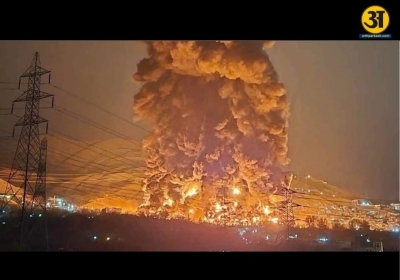
Iran is not showing signs of surrender despite weeks of attacks. Instead, it has continued to respond with missile strikes and other actions. This shows that threats alone may not break its resistance.
One reason is national pride and political structure. Iran’s leadership is built around strong resistance to foreign pressure. Even when facing damage to infrastructure, the country may choose to continue fighting rather than appear weak.
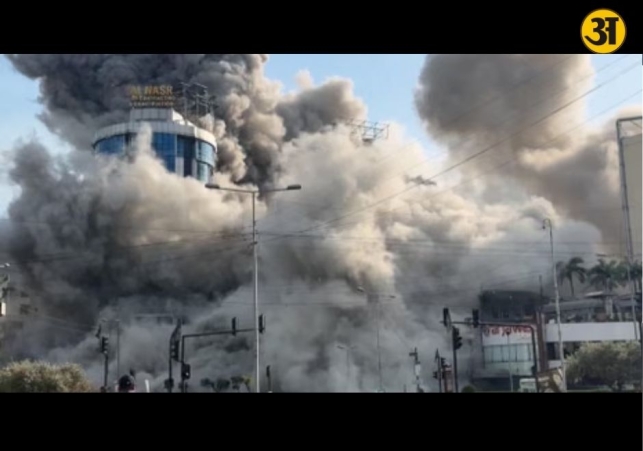
Recent strikes have hit not only military targets but also important civilian and symbolic locations. One example is the Pasteur Institute of Iran, which is a major health and research centre. Such attacks can increase anger among citizens instead of forcing them to surrender.
Another key issue is that Iran has prepared for such conflicts over many years. It has developed strategies to continue operating even if its leadership is targeted. This makes it harder to defeat quickly.
Also, threats can sometimes have the opposite effect. Instead of forcing negotiations, they can push a country to become more aggressive. Iranian leaders have clearly stated that they will continue to respond and will not accept pressure.
ALSO READ: Iran names key Gulf bridges as potential targets after strike on its major bridge
ALSO READ: Oil prices rise as Donald Trump signals US will not depend on Strait of Hormuz supply
A complex war with no easy end
The conflict is not just about military strength. It also involves global politics, alliances, and economic impact. Iran has used its position to create pressure in other ways, such as affecting oil supply routes like the Strait of Hormuz. This has caused concern in global markets and affected many countries.
At the same time, the United States is facing challenges from its allies. Some European countries are not fully supporting the war effort. The NATO alliance, which usually works together, has shown signs of disagreement. This makes it harder for the US to act alone with full global backing.
Another issue is the lack of a clear end plan. While the US has carried out airstrikes, it is not clear whether it plans a ground invasion or long-term military presence. Without a clear strategy, it becomes difficult to achieve a decisive victory.
Iran’s ability to continue firing missiles even after weeks of attacks also raises questions about the effectiveness of the strikes. It shows that destroying infrastructure does not always eliminate a country’s ability to fight.
There is also concern about the nuclear issue. Iran is believed to have a significant amount of enriched uranium. Even if the US reduces Iran’s military strength, the nuclear question remains unresolved, which adds to the complexity of the situation.
Experts also point out that extreme threats can damage diplomatic chances. Earlier, there were reports that Iran was open to negotiations through mediators. But continued attacks and harsh language may have reduced trust, making talks more difficult.
In simple terms, wars today are not decided only by military power. They depend on strategy, alliances, public opinion, and long-term planning. Iran appears ready for a long conflict, while the US is under pressure to show results quickly.
So, can threats force Iran to surrender? The answer is likely no, at least not easily. History shows that countries with strong internal systems and long-term preparation do not give up quickly under pressure.
Instead of ending the conflict, such threats may prolong it and make it more dangerous. The situation remains uncertain, and without meaningful negotiations, the war could continue for a long time.
Related News